
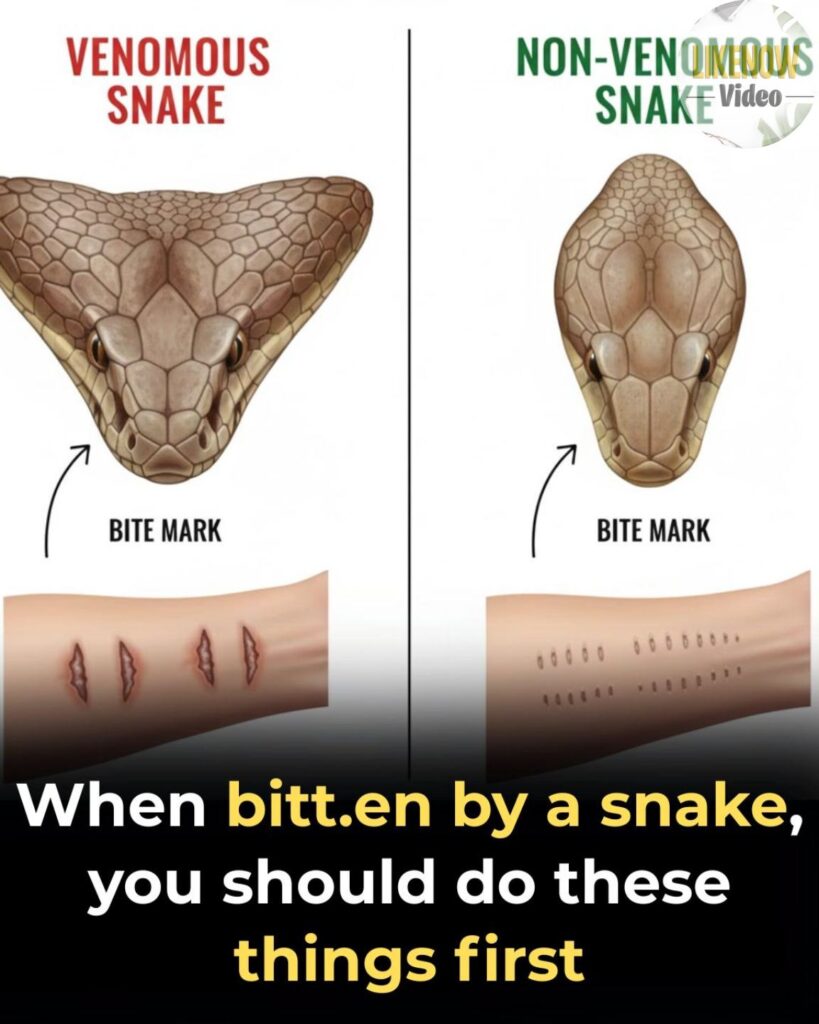
A snake bite is a medical emergency, and the first few minutes matter a lot. The most important step is to stay calm and reduce movement. Panic and physical activity can spread venom faster through the body. The affected person should sit or lie down immediately and keep the bitten limb as still as possible. In cases of suspected venomous bites, such as from certain vipers or cobras, prompt medical attention is critical because conditions like envenomation can become life-threatening if delayed.
The next step is to remove anything tight around the bite area, such as rings, bracelets, or tight clothing, because swelling may occur quickly. The limb should be kept at or slightly below heart level without applying pressure. It is important to avoid traditional harmful practices such as cutting the wound, sucking out venom, applying ice, or using tourniquets, as these can worsen tissue damage and complications. From a medical emergency response perspective, these outdated methods significantly increase risk and delay proper treatment.
The priority is to reach a hospital or emergency medical facility as soon as possible. Doctors may administer antivenom, pain management, and supportive care depending on the type of snake and symptoms. Calling emergency services or arranging rapid transport is essential, especially in rural or remote areas. In healthcare systems and emergency medicine planning, rapid response is the most effective factor in reducing complications, long-term disability, and mortality from snake bites.
Disclaimer: This article is for informational purposes only and does not replace professional medical advice. A snake bite is a serious emergency—seek immediate medical attention without delay.