
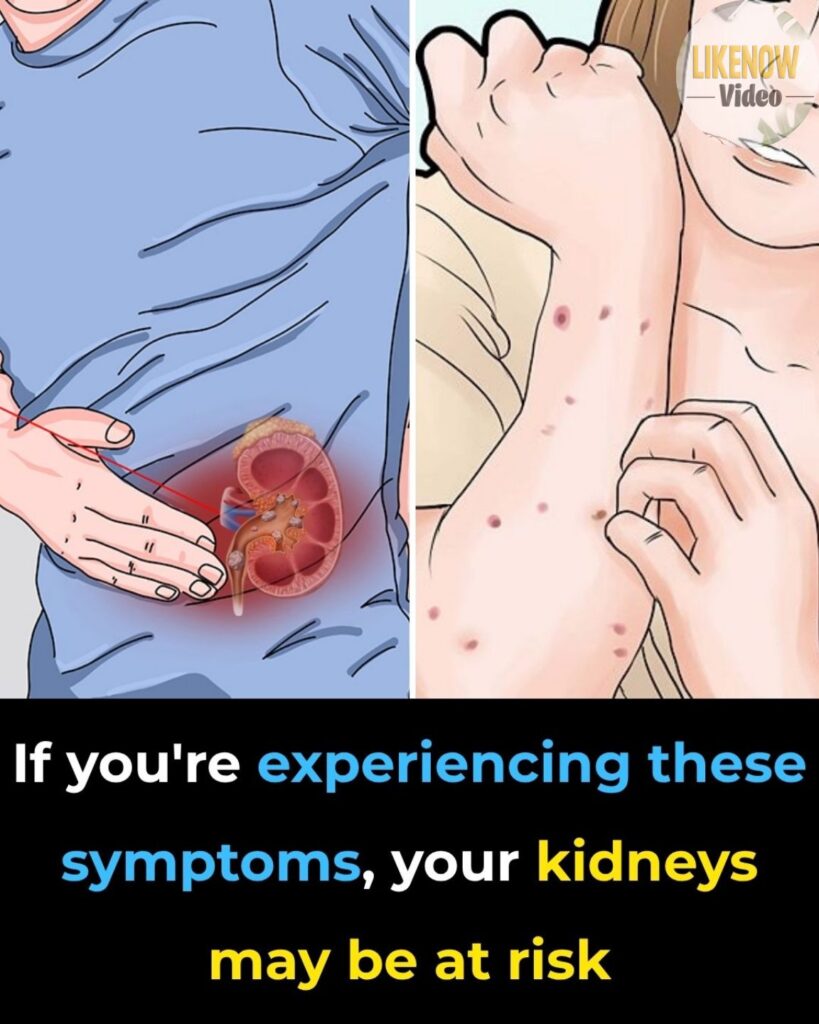
chronic kidney disease often develops silently, making early warning signs easy to miss. Common symptoms include persistent fatigue, swelling in the legs or ankles, changes in urination (such as frequency, color, or foaming), and difficulty concentrating. Some individuals may also experience muscle cramps or trouble sleeping. Because these symptoms can appear mild at first, many people delay seeking medical attention, which can lead to advanced complications. In the realm of preventive healthcare and early diagnosis, recognizing these subtle indicators can significantly reduce long-term treatment costs and improve overall outcomes.
As kidney function declines, toxins and excess fluids begin to build up in the body, potentially leading to more serious health issues like high blood pressure and anemia. Risk factors such as diabetes, poor diet, dehydration, and excessive use of certain medications can accelerate damage. Healthcare professionals and insurance providers increasingly stress routine screenings and lab tests, especially for high-risk individuals. Early-stage detection not only improves quality of life but also minimizes the need for expensive interventions like dialysis or transplant procedures, which can create a significant financial burden.
Protecting your kidneys involves simple yet powerful lifestyle choices. Staying hydrated, maintaining a balanced diet low in processed foods and sodium, exercising regularly, and monitoring blood sugar and blood pressure levels are key steps. Avoiding unnecessary medications and limiting harmful substances can also preserve kidney function over time. From a long-term wellness and financial planning perspective, investing in kidney health today can prevent costly medical treatments in the future while ensuring a healthier, more stable life.
Disclaimer: This article is for informational purposes only and does not constitute medical, financial, or professional advice. Always consult a qualified healthcare provider for proper diagnosis, treatment, and personalized health recommendations.