
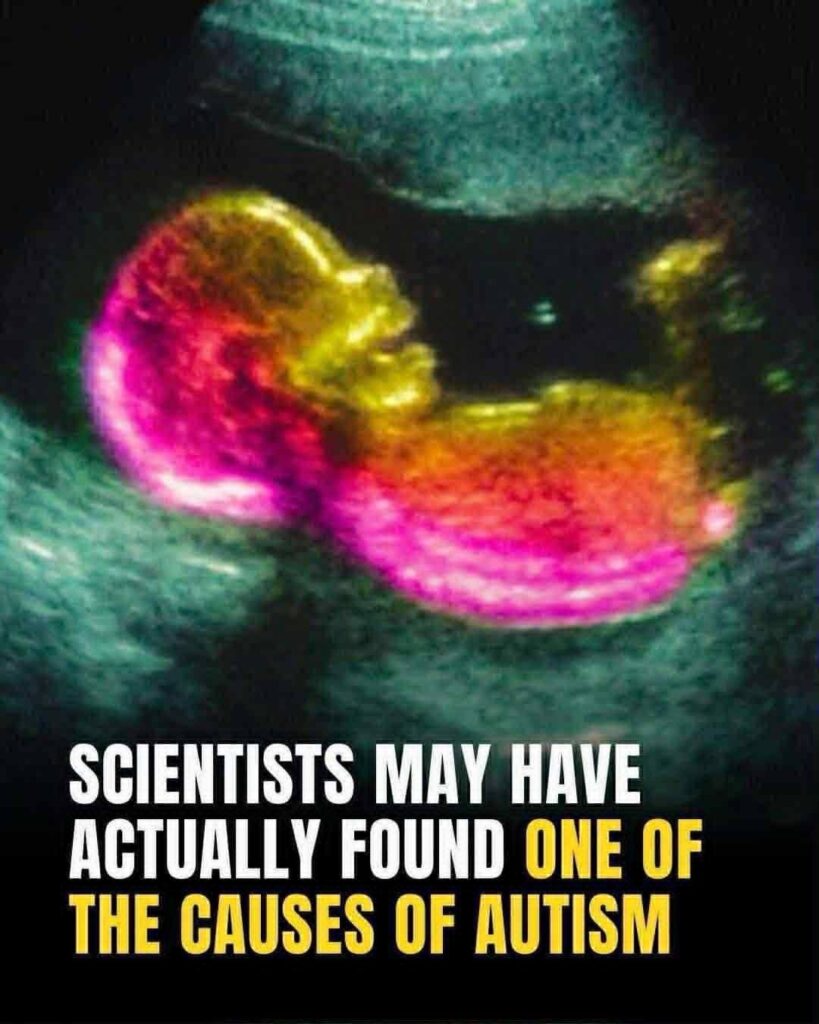
In recent years, advancements in neuroscience and genetic research have brought scientists closer to understanding the complex origins of autism. Rather than a single cause, autism is now widely recognized as a multifactorial condition influenced by a combination of genetic, biological, and environmental factors. Researchers have identified certain gene variations that may affect early brain development, particularly in how neurons communicate and form connections. These discoveries are significant because they shift the conversation from speculation to evidence-based insights, helping families and healthcare professionals better understand the condition from a scientific perspective.
One of the most promising areas of research focuses on early fetal brain development. Studies suggest that differences in how the brain forms during pregnancy—especially in regions responsible for communication, behavior, and sensory processing—may contribute to autism spectrum traits later in life. Factors such as prenatal environment, maternal health, and even immune system responses are being closely examined. Importantly, this does not point to a single “cause,” but rather a network of influences that interact during critical developmental stages. These findings are helping experts move toward earlier detection and more personalized interventions, which can significantly improve long-term outcomes.
While headlines may suggest that scientists have “found the cause,” the reality is more nuanced. Autism is a spectrum, meaning it presents differently in each individual, and no single factor can explain all cases. Ongoing research continues to explore how genetics and environment work together, offering hope for better support systems, therapies, and awareness. Instead of focusing on blame or fear, modern science emphasizes understanding, acceptance, and early support. As knowledge grows, so does the ability to create inclusive environments where individuals on the spectrum can thrive and reach their full potential.
Disclaimer: This article is for informational purposes only and should not be considered medical advice. Autism is a complex condition with varying causes and presentations. For accurate diagnosis or guidance, please consult a qualified healthcare professional.