
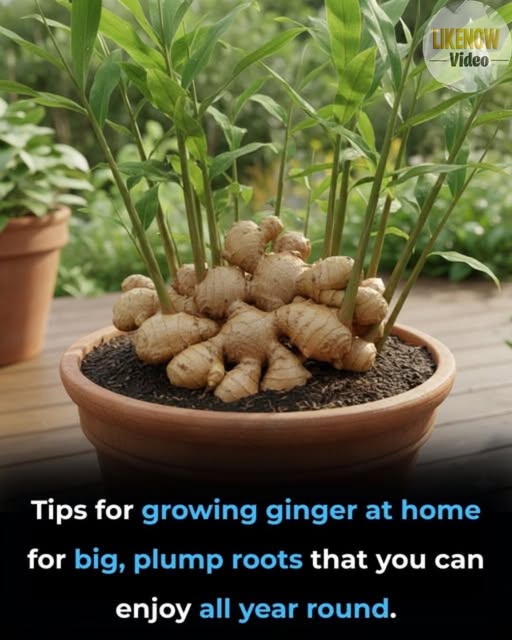
In the world of home gardening, organic food production, and self-sufficient living, growing your own medicinal and culinary plants has become increasingly popular. One of the easiest and most rewarding options is Ginger, a widely used plant known for its flavor, aroma, and potential digestive benefits. With the right conditions, ginger can be grown at home in pots or garden beds, providing a continuous supply for cooking, teas, and wellness routines while reducing dependence on store-bought produce.
To start growing ginger, choose a fresh, healthy rhizome (root) with visible “eyes” or growth buds. Soak it overnight, then plant it in rich, well-draining soil with the buds facing upward. Ginger thrives in warm, humid environments with indirect sunlight, making it ideal for indoor gardening or shaded outdoor spaces. Regular watering is important, but overwatering should be avoided to prevent rot. Using organic compost and maintaining soil fertility supports strong root development, which is essential for achieving a high-quality harvest in sustainable agriculture practices.
As the plant grows, you’ll notice leafy green shoots emerging, which indicates healthy development underground. Ginger typically takes several months to mature, but partial harvesting allows you to enjoy fresh roots year-round while the plant continues growing. This makes it an excellent option for urban gardening, cost-effective food production, and natural health living strategies. With proper care, ginger can become a long-term addition to your home garden, offering both culinary and wellness benefits.
Disclaimer: This article is for informational purposes only and does not constitute agricultural, financial, or medical advice. Growing conditions may vary depending on climate, soil, and environment.