
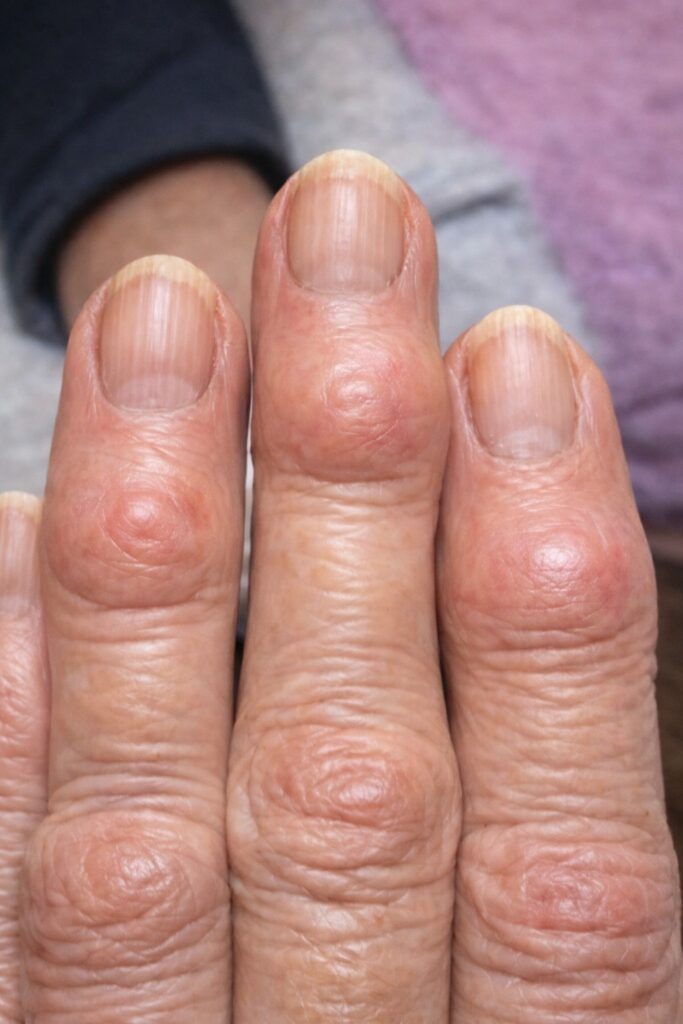
Noticing hard bumps forming on finger joints—especially near the nails—can be concerning, particularly when they seem to spread over time. In many cases, this condition is linked to Osteoarthritis, a common age-related disorder that affects joint cartilage and surrounding tissues. These bumps, often referred to as Heberden’s nodes, develop gradually as the body responds to joint wear and tear. From a healthcare and medical cost perspective, early recognition of such symptoms can help reduce long-term expenses related to joint damage, physical therapy, and chronic pain management.
The reason it appears to be “spreading” is not due to infection but rather the progressive nature of joint degeneration. As cartilage continues to break down in multiple fingers, the body forms bony enlargements in response, leading to visible and sometimes stiff or painful joints. This process may be influenced by genetics, aging, and repetitive hand use. In some cases, similar symptoms could be associated with other conditions like Rheumatoid Arthritis, which involves inflammation and immune system activity. Understanding the underlying cause is essential for proper treatment planning, insurance coverage considerations, and long-term healthcare management.
Managing this condition typically involves lifestyle adjustments, anti-inflammatory treatments, and regular monitoring by a healthcare professional. Early diagnosis can help slow progression and maintain joint mobility, reducing the need for more expensive medical interventions. Whether through physical therapy, medication, or preventive care, addressing symptoms early can improve quality of life and minimize complications. If the bumps are painful, rapidly increasing, or interfering with daily activities, seeking medical advice is strongly recommended to ensure accurate diagnosis and effective treatment.
Disclaimer: This article is for informational purposes only and does not constitute medical, legal, or financial advice. Always consult a qualified healthcare provider for proper diagnosis and treatment of joint-related conditions.