
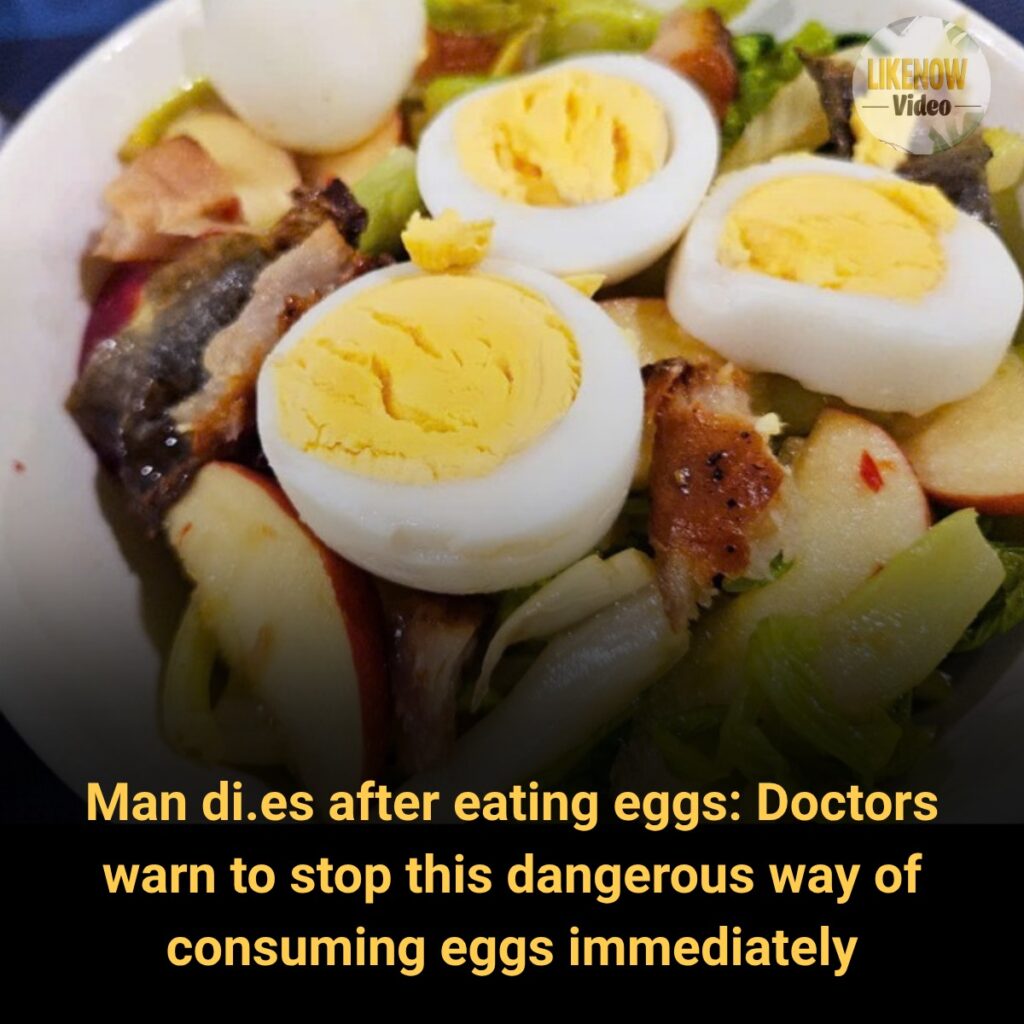
Eggs are widely considered a nutrient-dense food, rich in protein, vitamins, and healthy fats. However, how they are prepared and stored can make a significant difference to safety. One of the biggest risks comes from consuming raw or undercooked eggs, which may carry harmful bacteria such as Salmonella Infection. This can lead to symptoms like severe stomach cramps, vomiting, diarrhea, and fever. In vulnerable individuals such as children, pregnant women, and the elderly, the infection can become serious and require medical treatment.
Another risky practice is eating eggs that have been improperly stored or kept at unsafe temperatures for too long. When eggs are left unrefrigerated in hot conditions or used after their expiry date, the risk of bacterial growth increases. Cross-contamination in the kitchen—such as using the same utensils for raw eggs and ready-to-eat foods—can also spread harmful bacteria. From a health and safety perspective, these mistakes may lead to food poisoning outbreaks that are entirely preventable with proper handling.
To safely enjoy eggs, it is important to cook them thoroughly until both the white and yolk are firm, store them properly in cool conditions, and maintain good kitchen hygiene. Choosing pasteurized egg products when preparing dishes that require raw eggs can also reduce risk. Practicing these simple precautions helps you gain the nutritional benefits of eggs while minimizing the chance of serious illness and unnecessary medical expenses.
Disclaimer: This article is for informational purposes only and does not constitute medical, nutritional, or safety advice. Always follow proper food safety guidelines and consult a healthcare professional if you suspect foodborne illness.