
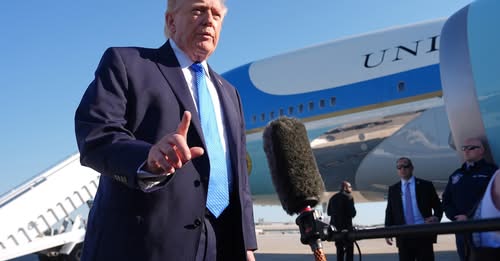
Recent statements by Donald Trump have sparked renewed discussion about election integrity and the role of federal agencies in the voting process. The suggestion of placing Immigration and Customs Enforcement (ICE) agents at polling locations has raised both support and concern among voters, policymakers, and legal experts. Supporters argue that such measures could reinforce confidence in election security, particularly around concerns of voter fraud and eligibility verification, which are often discussed in broader political and legal debates.
On the other hand, critics highlight potential legal and constitutional challenges associated with this idea. Election laws in the United States are carefully structured to ensure voter access while maintaining security, and introducing federal enforcement agencies into polling places could raise concerns about voter intimidation or suppression. Civil rights organizations and legal analysts often emphasize the importance of maintaining a neutral and non-threatening voting environment. Additionally, experts in election law point out that non-citizen voting in federal elections is already illegal and subject to strict penalties, making enforcement a matter of existing legal systems rather than new on-site measures.
Ultimately, the discussion reflects a broader national conversation about balancing election security with voter accessibility and civil liberties. While ensuring fair and secure elections is a priority, policymakers must carefully evaluate the potential impact of enforcement strategies on public trust and participation. Constructive dialogue, legal review, and evidence-based policy decisions remain essential in shaping approaches that uphold both the integrity of elections and the democratic rights of all eligible citizens.
Disclaimer: This article is for informational purposes only and does not constitute legal or political advice. Statements and policies mentioned are subject to interpretation and ongoing public debate.