
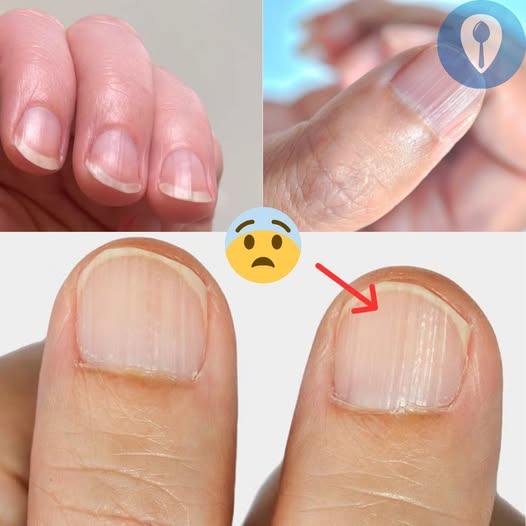
In the field of preventive healthcare, dermatology screening, and nutritional deficiency detection, changes in nail appearance are often considered important visual clues about overall health. Nails can reflect what is happening inside the body because they are closely linked to circulation, nutrition, and metabolic balance. Vertical or horizontal stripes on nails are usually harmless in many cases, but they can sometimes signal underlying issues that may require attention, especially if they appear suddenly or change over time.
Vertical ridges running from the base to the tip of the nail are commonly associated with aging, dehydration, or mild nutrient deficiencies such as low iron, zinc, or B vitamins. However, in some cases, they may also be linked to stress, poor diet, or long-term fatigue. Horizontal lines, known as Beau’s lines, may appear after periods of physical stress, high fever, or illness that temporarily disrupts normal nail growth. From a clinical nutrition and primary care perspective, persistent or worsening nail changes can sometimes indicate deeper health concerns that should be evaluated by a healthcare professional.
While nail stripes are not always a sign of serious disease, they should not be ignored when combined with other symptoms like fatigue, hair loss, or changes in skin color. Maintaining a balanced diet rich in proteins, healthy fats, and essential vitamins can support stronger nail growth and overall wellness. In some cases, doctors may recommend blood tests or further evaluation to rule out underlying conditions. Paying attention to these small physical signs can be an important part of a broader preventive health strategy and long-term well-being planning.
Disclaimer: This article is for informational purposes only and does not constitute medical or diagnostic advice. Nail changes can have many harmless causes, but persistent or unusual symptoms should always be evaluated by a qualified healthcare professional.