
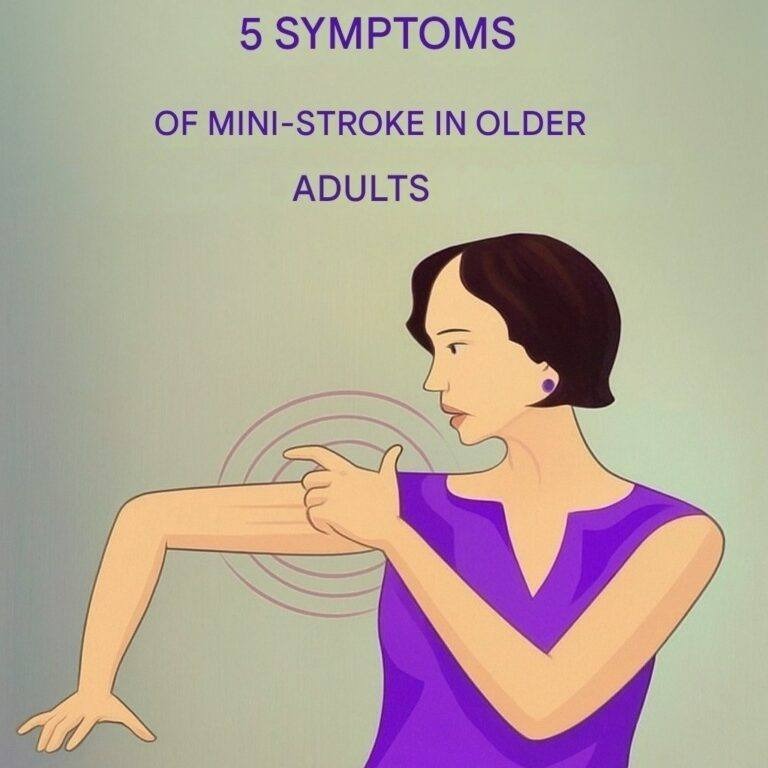
A mini stroke, medically known as a Transient Ischemic Attack, is a serious medical event that should never be ignored—especially in seniors and older adults. It occurs when there is a temporary blockage of blood flow to the brain, often acting as an early warning sign of a major stroke. Recognizing symptoms early can prevent costly emergency care, long-term rehabilitation, and life-threatening complications. One of the most common signs is sudden weakness or numbness on one side of the body, particularly affecting the face, arm, or leg. This can happen without warning and may disappear within minutes, making it easy to overlook.
Another critical symptom is difficulty speaking or understanding speech. A person may suddenly slur their words, struggle to form sentences, or appear confused during a conversation. Vision problems, such as blurred or double vision, are also common and can affect one or both eyes. Additionally, dizziness, loss of balance, or trouble walking may occur, increasing the risk of falls and injury. Severe, unexplained headaches can also signal a mini stroke, especially if they come on suddenly and feel different from usual headaches. These symptoms may be brief, but they are urgent warning signs that require immediate medical attention and evaluation.
Taking action quickly can significantly reduce the risk of a full stroke and the need for expensive medical treatments, including hospitalization, neurological care, and long-term therapy. Preventive measures such as managing blood pressure, maintaining a healthy diet, and regular medical checkups play a crucial role in reducing risk. If you or a loved one experiences any of these symptoms—even if they go away—seek emergency care immediately. Early diagnosis and treatment can save lives and protect long-term health.
Disclaimer: This content is for informational purposes only and does not constitute medical advice. Always consult a qualified healthcare professional for diagnosis, treatment, or concerns regarding stroke symptoms or related health conditions.