
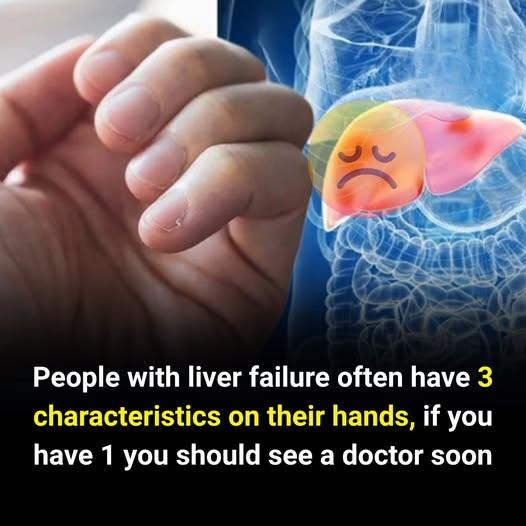
In the field of hepatology, preventive healthcare, and early disease detection, changes in the hands can sometimes reflect serious internal conditions, including issues affecting Liver failure. The liver plays a central role in detoxification, metabolism, and blood regulation, so when it is not functioning properly, subtle external signs may appear. While hand symptoms alone cannot confirm liver disease, they can act as important warning signals that should not be ignored, especially when combined with fatigue, jaundice, or abdominal discomfort.
One key sign is palmar erythema, where the palms become unusually red, especially around the base of the thumb and little finger. This can be linked to hormonal imbalances and changes in blood vessel function associated with liver dysfunction. Another possible sign is clubbing of the fingers, where the fingertips become rounded and nails curve downward. This may indicate long-term oxygen or circulation issues, sometimes seen in advanced liver or lung disease. A third warning sign is tremors or “flapping” movements of the hands, known as asterixis, which can suggest toxin buildup in the blood due to reduced liver function.
From a clinical diagnostic perspective, these signs are not exclusive to liver failure, but they become more concerning when they appear alongside symptoms such as yellowing of the skin or eyes, swelling in the abdomen, or unexplained fatigue. Early medical evaluation may include blood tests, liver function panels, and imaging studies to assess liver health. In modern preventive medicine, identifying these warning signs early can significantly improve treatment outcomes and reduce the risk of severe complications.
Disclaimer: This article is for informational purposes only and does not constitute medical advice. Hand symptoms can have many causes, and only a qualified healthcare professional can diagnose liver disease or liver failure accurately.