
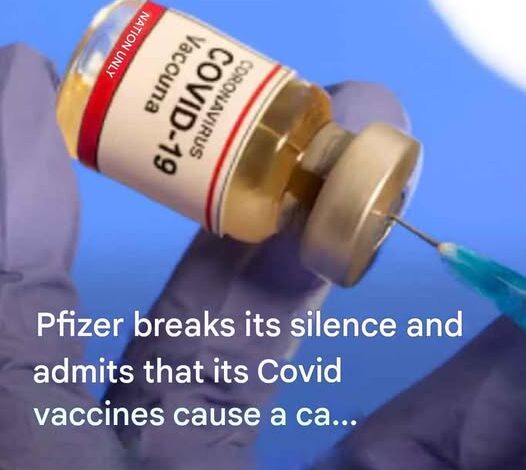
In recent months, viral headlines on social media have claimed that Pfizer admitted its COVID-19 vaccines cause cancer. However, there is no verified evidence that the company or major health authorities have made such an admission. These claims largely originate from misinterpreted studies, online rumors, or misleading headlines designed to attract attention. The COVID-19 vaccines developed during the pandemic were studied extensively before approval and continue to be monitored worldwide by health regulators and research institutions. Medical experts emphasize that viral posts often distort scientific information, which can create unnecessary fear and confusion among the public.
According to data reviewed by organizations such as the World Health Organization and the U.S. Food and Drug Administration, there is no confirmed scientific evidence linking COVID-19 vaccines to cancer development. The mRNA technology used in vaccines works by teaching the immune system to recognize and fight the virus that causes COVID‑19. It does not alter a person’s DNA or create conditions that lead to cancer. Large population studies and ongoing safety monitoring programs continue to track vaccine outcomes globally, and researchers have not found credible data showing that the vaccines increase cancer risk.
Health professionals recommend relying on verified information from trusted medical organizations rather than viral claims shared on social media. Vaccination campaigns were implemented worldwide to reduce severe illness, hospitalizations, and deaths during the pandemic. While scientific discussions about vaccine safety continue—as they do with any medical treatment—experts stress that misinformation can spread quickly online and should always be checked against credible medical sources. Staying informed through reliable research helps people make better decisions about their health and understand the difference between evidence-based science and misleading headlines.
Disclaimer:
This article is for informational and educational purposes only and should not be considered professional medical advice. Always consult qualified healthcare professionals and trusted health authorities for accurate medical information and guidance.