
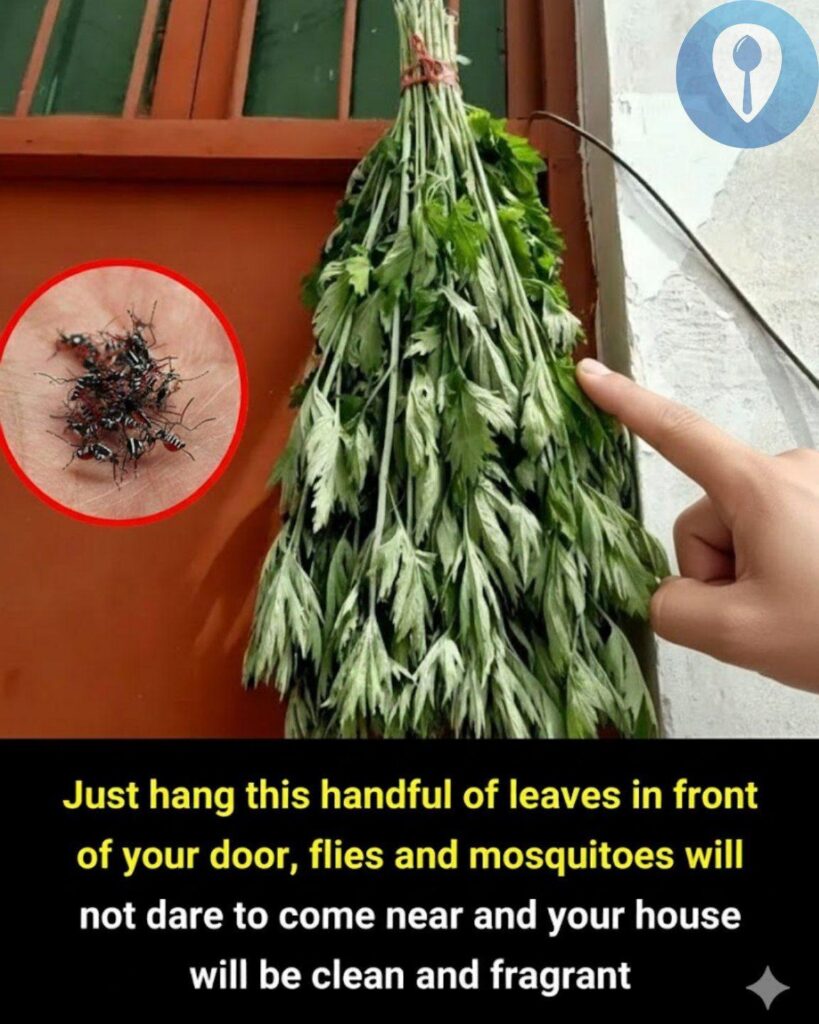
Certain natural leaves are commonly used in traditional home practices as a simple, low-cost method to help reduce the presence of flies and mosquitoes around living spaces. One of the most popular choices is neem leaves, which are known for their strong natural aroma. When hung near doors or entry points, they may help create a mild repellent effect that discourages insects from entering the home. In the context of household hygiene and preventive pest control, this method is often considered a practical, chemical-free alternative that aligns with eco-friendly living and basic public health awareness.
Another commonly used option is basil leaves, which also release a distinctive scent that insects tend to avoid. Similarly, mint leaves are frequently used in natural home remedies due to their refreshing aroma and potential to make environments less attractive to pests. While these methods are not a replacement for professional pest management systems, they can complement broader strategies such as sanitation, waste management, and the use of protective screens. From a cost-effective home maintenance perspective, these natural approaches are appealing because they require minimal expense while contributing to overall indoor comfort and hygiene.
It is important to understand that while these leaves may help reduce insect presence to some extent, their effectiveness can vary depending on environmental conditions such as humidity, temperature, and surrounding sanitation. In areas where mosquito-borne illnesses are a concern, relying solely on home remedies is not sufficient. Combining these natural methods with proper preventive healthcare measures—such as eliminating standing water and maintaining clean surroundings—offers a more reliable approach to reducing health risks and potential medical expenses associated with vector-borne diseases.
Disclaimer: This content is for informational purposes only and does not constitute medical, pest control, or professional public health advice. For serious insect infestations or disease prevention concerns, consult a qualified pest control expert or healthcare professional.