
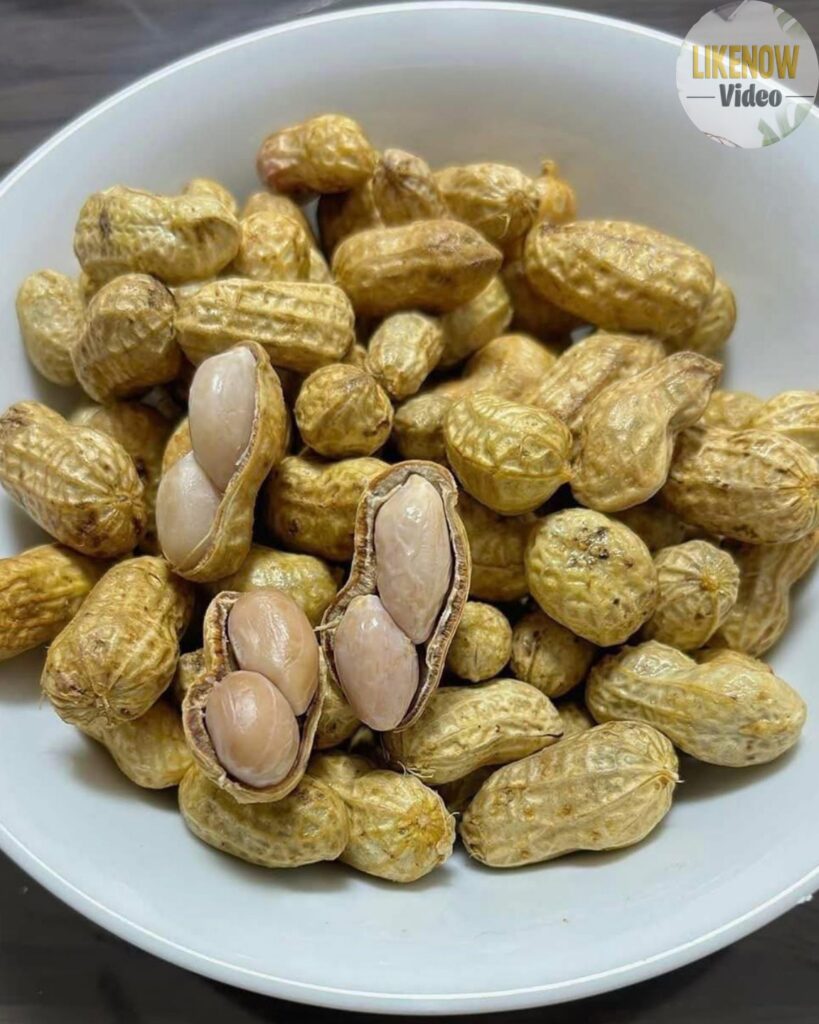
Peanuts are widely consumed as a protein-rich snack and are often considered beneficial due to their healthy fats, fiber, and essential nutrients. However, according to medical and nutritional experts, excessive or inappropriate consumption may lead to certain health concerns in some individuals. One of the most serious risks is allergic reaction, which can range from mild itching to severe Anaphylaxis. This is a life-threatening condition in extreme cases, and individuals with known peanut allergies are advised to avoid them completely. From a preventive healthcare and medical risk management perspective, awareness of food allergies is crucial to avoiding emergency treatments and potential hospitalization costs.
Another concern linked to high peanut consumption is digestive discomfort or weight gain when eaten in large quantities. Peanuts are calorie-dense and, if not portion-controlled, may contribute to excessive calorie intake, which can increase the risk of metabolic issues such as Obesity. While peanuts can be part of a balanced diet, overconsumption may affect weight management goals and overall nutritional balance. In the context of long-term health planning and lifestyle management, moderation plays a key role in preventing diet-related health complications that could lead to higher healthcare expenses.
Doctors also note that improperly stored peanuts can sometimes become contaminated with molds that produce aflatoxins, harmful compounds linked to liver damage over time. This is especially relevant in warm and humid climates where storage conditions are not ideal. Regular consumption of contaminated food sources may increase the risk of liver-related conditions and other chronic health issues. From both a health and financial standpoint, choosing properly stored and quality-checked food products is a form of preventive care that helps reduce future medical risks and treatment costs.
Disclaimer: This article is for informational purposes only and does not constitute medical or nutritional advice. Always consult a qualified healthcare professional for personalized dietary recommendations, especially if you have allergies or existing health conditions.