
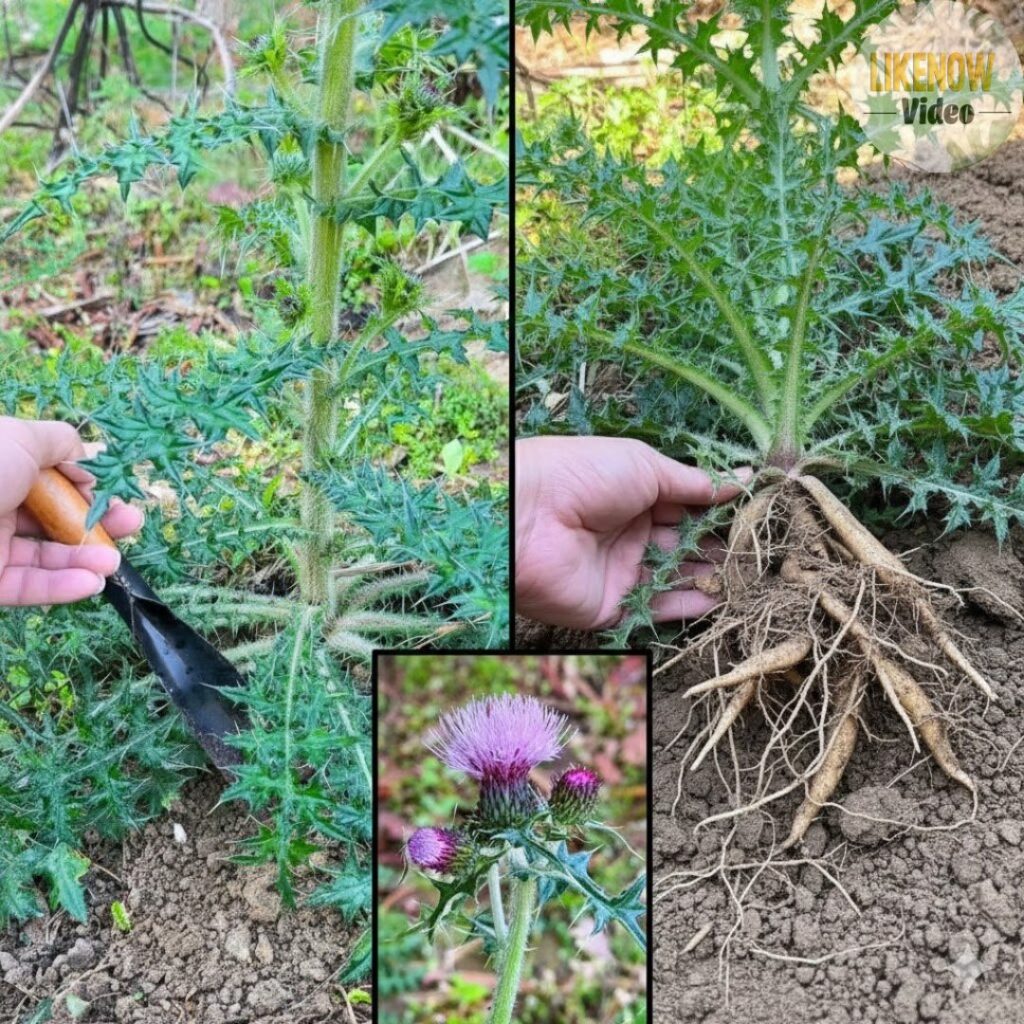
bull thistle is often dismissed as a common weed, but it has a long history of traditional use and ecological value. This hardy wild plant grows in many regions and is easily recognized by its spiny leaves and purple flower heads. In the field of herbal nutrition and ethnobotany, bull thistle is gaining renewed interest for its potential supportive properties, especially in natural wellness practices and plant-based dietary systems.
Traditionally, different parts of the plant have been used in folk remedies. The seeds have been studied for their possible liver-supporting compounds, while young stems and roots were sometimes consumed in survival food practices when properly prepared. Like many wild plants, it contains bioactive compounds and antioxidants that are being explored in modern phytotherapy research. In the broader context of preventive healthcare and natural product development, such plants are increasingly analyzed for their potential role in supporting metabolic and digestive health.
However, it is important to approach wild plants with caution. Bull thistle is not commonly used in modern clinical medicine, and improper identification or preparation can lead to digestive irritation due to its spiny structure. Individuals interested in herbal nutrition or alternative wellness approaches should always seek expert guidance before consuming wild plants. From a lifestyle and health economics perspective, understanding safe, evidence-based use of natural resources is essential to avoid health risks while exploring traditional wellness practices.
Disclaimer: This article is for informational purposes only and does not constitute medical, nutritional, or herbal advice. Wild plants should not be consumed without proper identification and professional guidance. Always consult a qualified healthcare or botanical expert before using any foraged plant.