
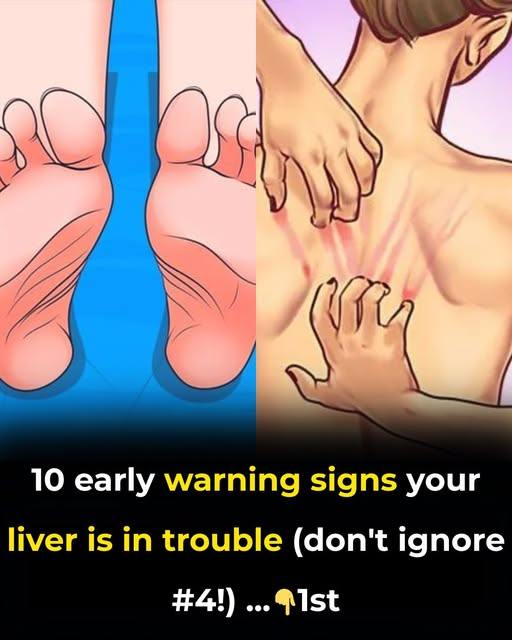
The liver plays a central role in detoxification, metabolism, and overall digestive health, making it one of the most important organs in the body. Conditions affecting it often develop slowly and may remain unnoticed for a long time. In advanced cases of Liver Disease, symptoms may appear only after significant damage has already occurred, which is why preventive healthcare and early screening are essential. Risk factors include alcohol use, obesity, viral infections, and poor dietary habits, all of which are commonly addressed in modern clinical medicine, nutrition planning, and insurance-based wellness programs.
One of the earliest subtle signs is persistent fatigue or low energy that does not improve with rest. Another is mild abdominal discomfort or bloating, particularly in the upper right side. Changes in appetite, unexplained nausea, and gradual weight changes may also occur. In hepatology and preventive healthcare systems, these symptoms are often considered early warning indicators that require further evaluation through blood tests or imaging.
Additional signs can include dark urine, pale stools, itchy skin, and a slight yellowing of the eyes or skin (jaundice). Easy bruising or slower healing may also appear in more advanced stages. Within advanced diagnostic medicine, telehealth monitoring, and chronic disease management programs, early detection tools are increasingly used to identify liver issues before they become severe.
Disclaimer: This article is for informational purposes only and does not constitute medical advice. Always consult a qualified healthcare professional for diagnosis or treatment of any liver-related symptoms.