
🧄 Key difference in simple terms
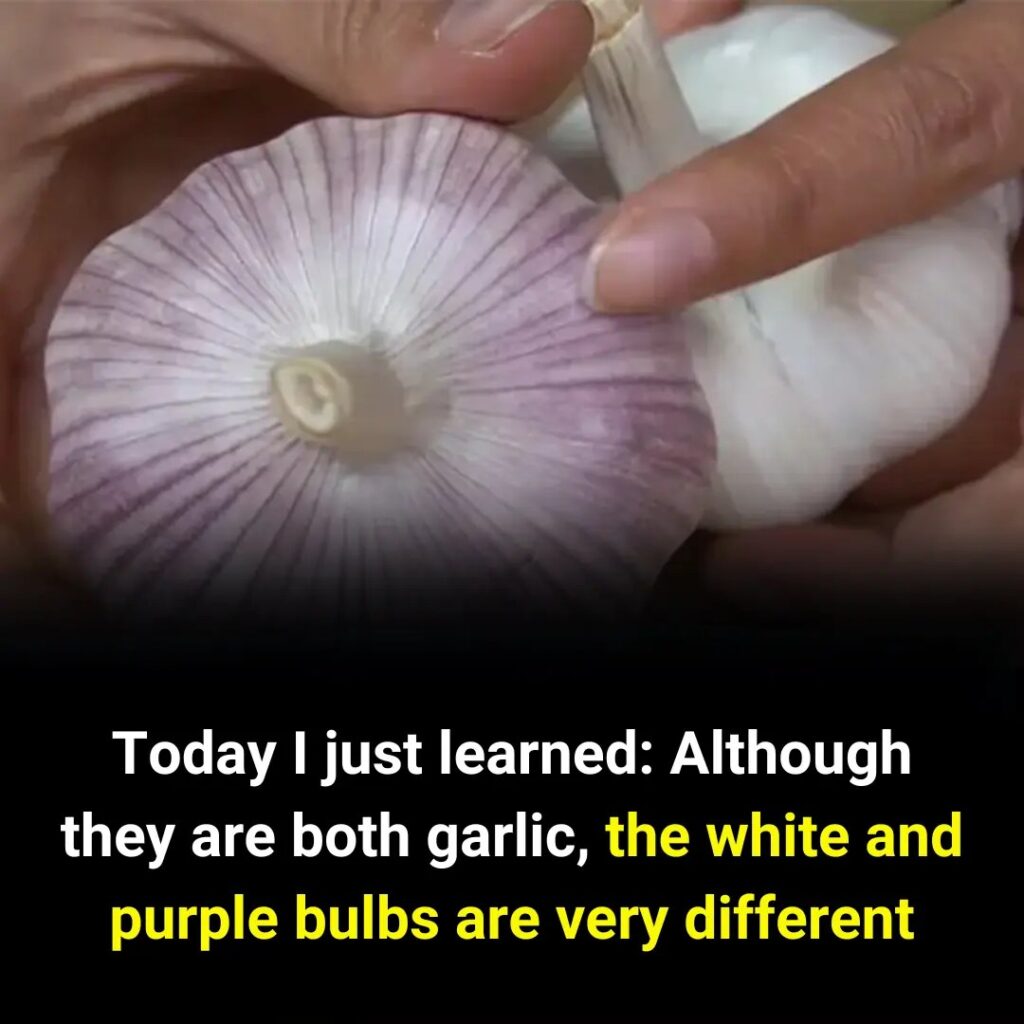
- White garlic is usually softer, more common in supermarkets, and has a stronger, sharper flavor.
- Purple garlic often comes from a different variety (hardneck type) and has a slightly milder, sometimes more aromatic taste with a bit more visual color on the skin.
💪 Health and nutrition comparison
Both types are very similar in basic nutrients like vitamins and minerals, but purple garlic may have a slight edge in antioxidants due to natural plant pigments called anthocyanins. Some studies suggest it can have stronger antioxidant and antibacterial activity, but the difference is not huge in everyday diet terms.
🧑🍳 Which one should you buy?
- Choose white garlic if you want:
- Stronger flavor for curries, stir-fries, and heavy cooking
- Longer shelf life and easier storage
- Choose purple garlic if you want:
- Slightly richer antioxidant profile
- Milder, more balanced taste for roasting or light dishes
- Fresher, sometimes juicier cloves
🟡 Final takeaway
For everyday cooking, white garlic is more practical and widely available, while purple garlic is slightly more “premium” in taste and antioxidants, but the difference is not dramatic enough to call one clearly superior.
Disclaimer: This content is for informational purposes only and is not medical or nutritional advice. Always consult a qualified healthcare or nutrition professional for personalized dietary guidance.