
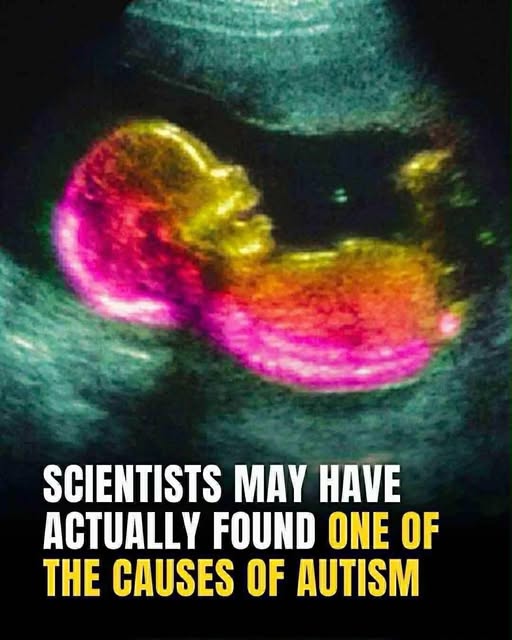
Recent scientific research is offering new insights into how autism spectrum disorder (ASD) may develop in the early stages of brain formation. Instead of focusing only on behavior in childhood, modern studies are increasingly looking at what happens during pregnancy and fetal brain development. Using advanced tools such as genetic analysis, brain imaging, and lab-grown “mini-brains” (organoids), researchers are trying to understand the biological roots of autism and how early developmental changes may influence later neurodevelopmental outcomes.
One important area of discovery involves early brain cell development, especially how neurons form and connect before birth. Some studies suggest that differences in certain brain cells—such as excitatory neurons that control communication between brain regions—may play a role in autism development. These changes can affect how brain circuits grow and organize, potentially influencing social behavior, communication, and learning abilities later in life. Researchers emphasize that autism is highly complex and involves multiple biological pathways rather than a single cause.
Another major finding is that autism is likely influenced by a combination of genetic and biological factors, with different gene variations affecting brain development in overlapping ways. Large-scale studies have identified multiple genetic patterns linked to autism, suggesting that different biological pathways may lead to similar behavioral traits. Scientists are also exploring metabolism, inflammation, and environmental influences during pregnancy as possible contributing factors. These discoveries are helping researchers move toward earlier detection methods and more personalized support strategies in the future.
Disclaimer: This article is for educational and informational purposes only and is not medical advice. Autism is a complex neurodevelopmental condition, and only qualified healthcare professionals or specialists should be consulted for diagnosis, guidance, or treatment.