
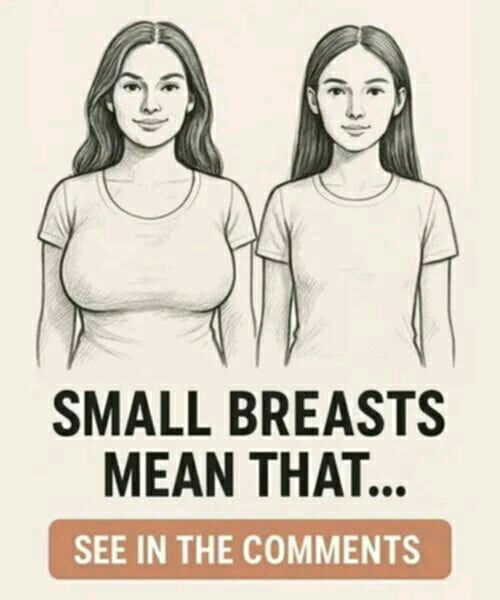
The size of a woman’s breasts is determined primarily by genetics, hormones, and body composition, and it does not inherently indicate health, fertility, or femininity. Many myths surround breast size, but in reality, small breasts are simply a natural variation in human anatomy. Understanding the science behind breast size can help dispel misconceptions and promote body positivity—a key focus in health, wellness, and psychology industries.
- Genetics Play a Major Role – The most significant factor influencing breast size is heredity. If close female relatives have smaller breasts, it’s likely a genetic trait, much like eye color or height.
- Hormonal Influence – Estrogen and other hormones affect breast tissue development. Variations in hormone levels during puberty, pregnancy, or adulthood can influence size, but small breasts are not an indicator of hormonal deficiency.
- Body Fat Distribution – Breasts are largely composed of fatty tissue, so body composition affects size. Women with leaner frames may naturally have smaller breasts, while this does not reflect health or reproductive capability.
- No Correlation With Intelligence or Fertility – Contrary to stereotypes, breast size is not linked to intelligence, sexual health, or fertility. These are purely physical characteristics with no bearing on a person’s abilities or reproductive potential.
In essence, small breasts are simply a natural body variation. Promoting awareness about this helps challenge societal stereotypes, encourages body confidence, and supports holistic self-acceptance.
Disclaimer:
This article is for informational and educational purposes only. It does not replace medical advice. Individual body types vary, and breast size alone is not an indicator of health or wellness.