
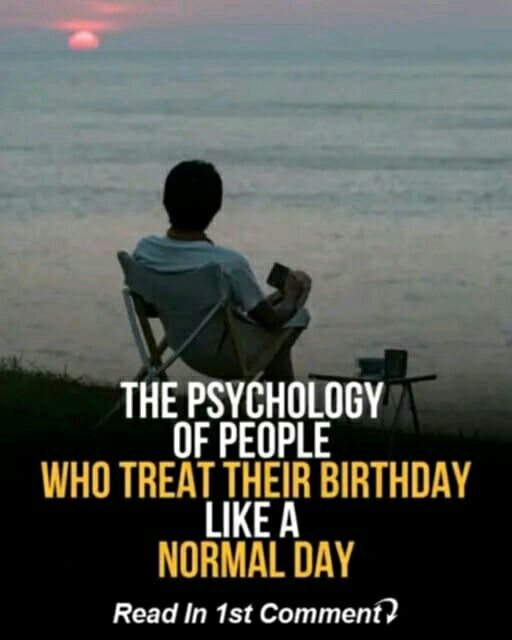
Not everyone treats their birthday as a special occasion—some people choose to celebrate it quietly or even ignore it entirely. Psychologists suggest that this behavior can reveal a lot about a person’s personality, values, and emotional state. Understanding these tendencies can provide insight into self-perception, social behavior, and emotional regulation—topics widely explored in behavioral science, personal development, and wellness industries.
- Introversion and Privacy – People who treat birthdays as ordinary days often value privacy over attention. They may feel uncomfortable with the spotlight or public celebrations, preferring meaningful connections over social fanfare. In personality psychology, this reflects traits like introversion, humility, and a focus on internal validation rather than external recognition.
- Minimalist or Practical Mindset – Some individuals prioritize practicality over tradition. They see birthdays as just another day in life and prefer spending time on work, hobbies, or routines rather than organizing parties or celebrations. This mindset aligns with psychological traits such as conscientiousness and long-term goal orientation.
- Past Experiences and Emotional Associations – For some, birthdays can trigger stress, nostalgia, or unresolved emotions from childhood or past events. Choosing to treat the day normally helps them avoid discomfort, anxiety, or negative memories. This behavior is a coping mechanism rooted in emotional self-regulation.
- Focus on Meaning Beyond Dates – Many who downplay birthdays place more value on accomplishments, relationships, or personal growth than on symbolic milestones. Their self-esteem comes from achievements and daily experiences rather than annual celebrations.
In essence, celebrating a birthday as a normal day reflects a combination of personality traits, coping strategies, and individual values. Recognizing this behavior can help reduce judgment, foster empathy, and appreciate diverse ways people experience life milestones.
Disclaimer:
This article is for informational purposes only and does not replace professional psychological assessment or advice. Individual motivations and behaviors may vary.