
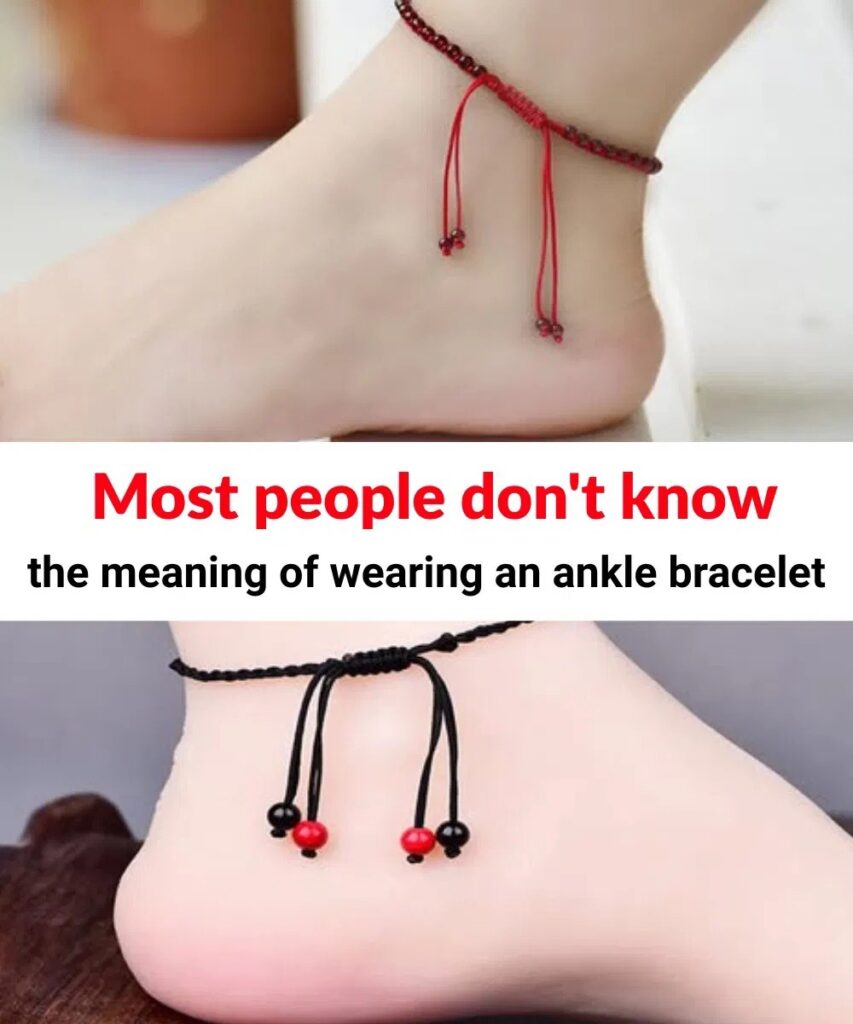
Ankle bracelets, also known as anklets, have been worn for centuries across various cultures, each attributing different meanings and significance to this accessory. Traditionally, anklets have symbolized femininity, beauty, and social status, especially in regions like South Asia, the Middle East, and Africa. In fashion psychology and cultural studies—fields with significant influence in lifestyle and luxury markets—wearing an ankle bracelet often reflects personal style, cultural identity, or even relationship status.
In some cultures, anklets are believed to bring good luck, protect against evil spirits, or signify marital status. For example, in Indian tradition, married women often wear anklets as part of their bridal jewelry, symbolizing prosperity and happiness. In modern Western fashion, ankle bracelets are primarily a style statement associated with casual elegance, summer vibes, and youthful freedom. They are popular in beachwear and bohemian fashion trends, industries that thrive on seasonal cycles and high consumer engagement.
Beyond aesthetics and tradition, some wear ankle bracelets as symbols of empowerment and individuality. They can express creativity, mood, or even spirituality, depending on the materials and charms used. As part of personal branding and fashion marketing, anklets have become versatile accessories that cross cultural boundaries and evolve with contemporary trends. Whether worn for cultural reasons or personal expression, ankle bracelets highlight how small fashion details carry rich, varied meanings across global communities.
Disclaimer:
This article is for informational and cultural purposes only. Meanings of ankle bracelets vary widely by individual, culture, and context and should not be taken as definitive or universal.