
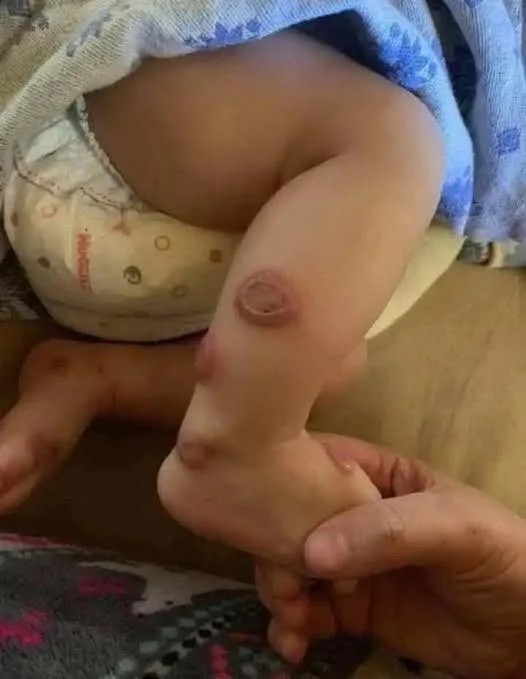
Cutaneous leishmaniasis is a parasitic skin infection transmitted by the bite of infected sandflies. The first noticeable sign is the appearance of painless, round or oval sores, often with raised edges and a depressed center. These lesions can start as small bumps and gradually develop into ulcers that may crust over and leave scars. The sores commonly appear on exposed areas such as the face, arms, and legs. In tropical medicine and infectious disease fields, recognizing these symptoms early is crucial for effective treatment and reducing long-term skin damage—topics that are highly relevant in global health and tropical disease research industries.
As the infection progresses, multiple lesions or nodules may develop around the initial sore, sometimes resembling a cluster. The affected skin can become discolored, thickened, or develop secondary bacterial infections if left untreated. Patients might experience mild itching or discomfort, but systemic symptoms like fever or fatigue are generally rare unless the disease spreads internally. In medical diagnostics and dermatology, differentiating cutaneous leishmaniasis from other skin conditions such as fungal infections or bacterial ulcers is essential for appropriate therapy, which often involves antiparasitic medications or localized treatment methods.
Preventive measures include avoiding sandfly bites by using insect repellents, bed nets, and protective clothing in endemic regions. Public health education, vector control programs, and timely medical intervention are key strategies to reduce incidence and complications. Advances in tropical medicine, vaccine development, and remote diagnostics are shaping the future of managing cutaneous leishmaniasis. Awareness of these signs empowers individuals living in or traveling to affected areas to seek prompt medical care, ensuring better outcomes and reducing disease burden.
Disclaimer:
This article is for informational purposes only and does not replace professional medical advice. If you notice suspicious skin lesions, consult a licensed healthcare provider for diagnosis and treatment.