
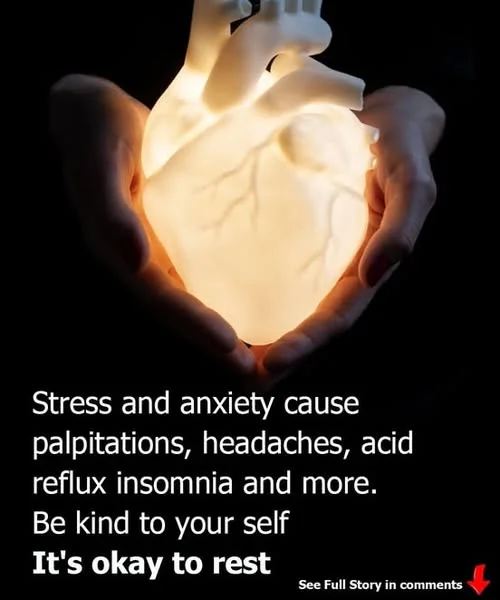
Stress and anxiety are natural responses to challenging situations, but when persistent, they can take a serious toll on both mental and physical health. Chronic stress triggers the body’s “fight-or-flight” response, releasing hormones like cortisol and adrenaline that affect multiple organ systems. Over time, this can manifest in a range of symptoms that many people fail to recognize as stress-related. Understanding these signs is important for preventive mental health, workplace wellness, and lifestyle optimization—high-value areas in health, coaching, and wellness industries.
- Headaches and Migraines – Increased muscle tension and hormonal fluctuations often lead to persistent or severe headaches.
- Digestive Issues – Stress can disrupt gut motility, causing bloating, diarrhea, or constipation, linking to gastroenterology and functional medicine concerns.
- Sleep Disturbances – Anxiety can interfere with sleep cycles, causing insomnia or restless nights, which affects overall cognitive performance and productivity.
- Rapid Heartbeat or Palpitations – Elevated stress hormones can temporarily raise heart rate, impacting cardiovascular health.
- Muscle Tension and Pain – Neck, shoulder, and back stiffness are common physical manifestations of chronic stress.
- Mood Changes – Irritability, low motivation, and heightened sensitivity often indicate prolonged anxiety affecting emotional balance.
- Skin Issues – Stress can worsen acne, eczema, or psoriasis due to hormonal changes and immune system impacts.
Addressing these symptoms involves a combination of lifestyle adjustments, mindfulness practices, regular physical activity, and, when needed, professional counseling. Tools like stress-management apps, biofeedback devices, and therapy platforms are increasingly used to monitor and reduce stress in daily life. Recognizing these signs early can prevent more severe health issues such as hypertension, depression, or metabolic disorders, helping individuals maintain both mental and physical well-being.
Disclaimer:
This article is for informational purposes only and does not replace professional medical or psychological advice. If you experience persistent symptoms, consult a licensed healthcare or mental health professional.