
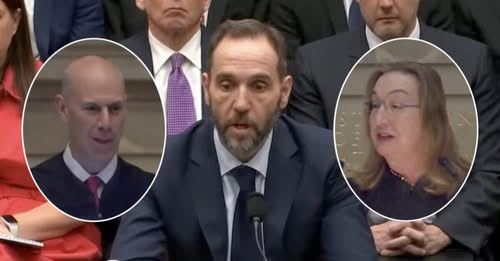
Recent claims alleging that judges in Washington, D.C. secretly coordinated with Jack Smith to bring charges against Donald Trump have sparked intense political and legal discussion. Such accusations suggest serious breaches of judicial ethics and due process, raising questions about the independence of the courts. In the U.S. legal system, federal judges are expected to remain impartial and operate within strict ethical guidelines to ensure fairness and uphold constitutional protections.
However, legal experts emphasize that claims of secret coordination or misconduct require substantial, verifiable evidence. The judicial process includes multiple safeguards, including transparency in filings, appellate review, and oversight mechanisms designed to prevent abuse of power. Allegations involving “illegal” collaboration between judges and prosecutors would represent a major violation of the rule of law if proven, but without confirmed evidence or court findings, such assertions remain part of ongoing political debate rather than established fact.
Ultimately, the situation highlights the broader tension between political narratives and the legal system’s reliance on evidence and procedure. Courts operate on documented records, sworn testimony, and established legal standards—not public claims alone. As discussions continue, the focus remains on ensuring that judicial proceedings are conducted fairly, transparently, and in accordance with constitutional principles.
Disclaimer: This article is for informational purposes only and does not constitute legal or political advice. Allegations referenced are part of public discourse and have not been established as proven facts in a court of law.