
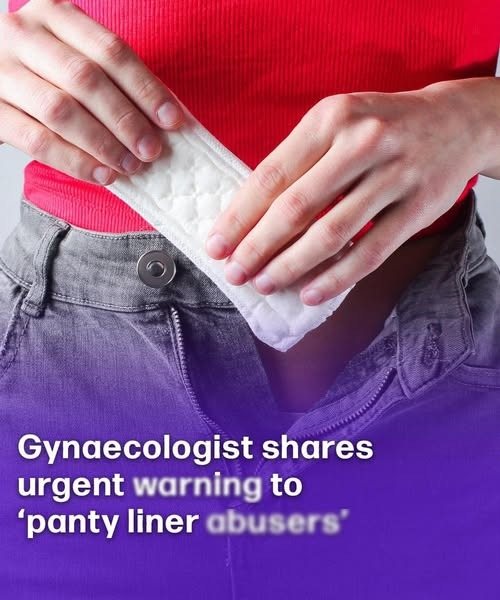
In recent years, gynecologists have raised concerns about the excessive use of panty liners and their potential impact on intimate health. While panty liners are designed for occasional hygiene support, daily or prolonged use—especially without proper hygiene—can disrupt the natural balance of the vaginal environment. This imbalance may increase the risk of conditions such as Vaginal Infections and Yeast Infection. From a medical and wellness perspective, maintaining proper airflow and moisture balance is essential for preventing irritation and bacterial growth. In the broader healthcare landscape, preventive care and awareness can reduce the need for costly treatments and consultations, which are often associated with high medical expenses and insurance claims.
One of the main issues with overusing panty liners is that they can trap heat and moisture, creating an ideal environment for bacteria and fungi to thrive. Many liners also contain synthetic materials, fragrances, or chemicals that may irritate sensitive skin, leading to itching, redness, or discomfort. Gynecologists often emphasize that the body has a natural self-cleaning mechanism, and excessive reliance on hygiene products can sometimes do more harm than good. Instead, experts recommend using breathable cotton underwear, changing liners frequently if needed, and avoiding scented products. These simple preventive measures align with modern health practices that focus on reducing risk factors and promoting long-term well-being.
It’s important to use panty liners appropriately—such as during light discharge days or at the beginning or end of a menstrual cycle—rather than as an everyday necessity. Paying attention to your body’s signals and maintaining proper hygiene habits can help prevent complications. If symptoms like unusual discharge, odor, or irritation persist, seeking professional medical advice is crucial. In today’s health-conscious environment, being informed about everyday products and their effects can play a significant role in overall wellness and quality of life.
Disclaimer: This article is for informational purposes only and does not substitute professional medical advice. Always consult a qualified gynecologist or healthcare provider for diagnosis, treatment, or concerns regarding your health.