
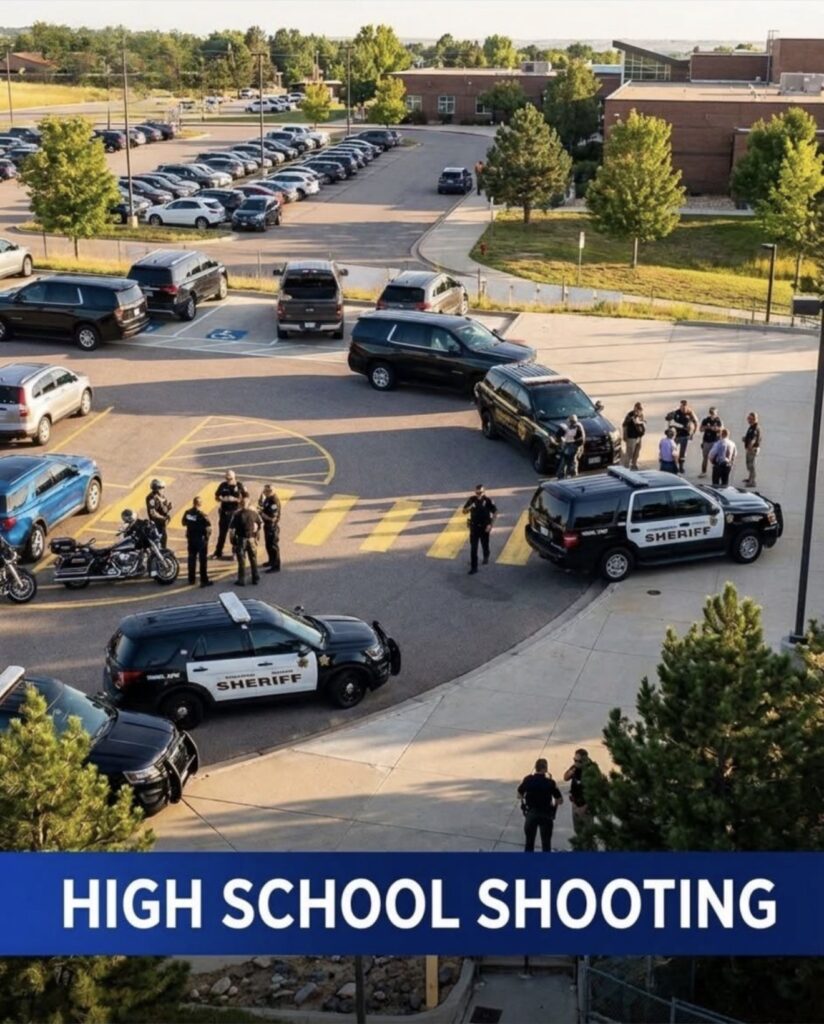
A tragic school shooting has once again drawn global attention to the ongoing issue of gun violence and school safety. In similar confirmed incidents, such as the attack at Apalachee High School in Barrow County, Georgia, multiple people were shot when a student opened fire on campus during school hours. In that case, four victims were killed and several others were injured, sending shockwaves through the local community and prompting an immediate law-enforcement response. Authorities quickly locked down the school while emergency medical teams transported injured students and staff to nearby hospitals for urgent treatment. Events like these highlight the growing concerns about school security systems, emergency response preparedness, and the need for stronger safety protocols in educational institutions. Parents, teachers, and students often face the emotional and psychological impact of such incidents long after the immediate danger has passed.
According to investigators, the suspect in the Georgia case was a 14-year-old student who allegedly brought a semi-automatic rifle to school and opened fire inside the building. Two students and two teachers were killed during the attack, while several others suffered gunshot wounds and other injuries before law enforcement officers secured the scene. Authorities arrested the suspect shortly after the incident and launched a comprehensive criminal investigation into how the firearm was obtained. Prosecutors later charged the suspect with multiple counts of felony murder, while the shooter’s father was also charged and later convicted for providing access to the weapon despite prior warnings about the teenager’s behavior. Apalachee High School shooting remains one of the deadliest school shootings in the state’s history and sparked intense debate around gun laws, parental responsibility, and school threat monitoring systems.
Incidents like this have intensified national discussions about school safety technology, mental health resources for students, and the legal responsibilities surrounding firearm ownership. Many school districts across the United States have since reviewed their emergency preparedness plans, investing in surveillance systems, controlled entry points, and active-shooter training programs. Experts in public safety and risk management emphasize that preventing future tragedies requires a combination of early threat detection, mental health intervention, and responsible firearm storage practices. Communities affected by such tragedies often focus on healing and support services for victims’ families while policymakers debate reforms intended to reduce the risk of similar attacks in the future.
Disclaimer: This article is for informational and educational purposes only. Details about violent incidents may change as investigations continue, and readers should rely on official law-enforcement statements and verified news sources for the most accurate and up-to-date information.