
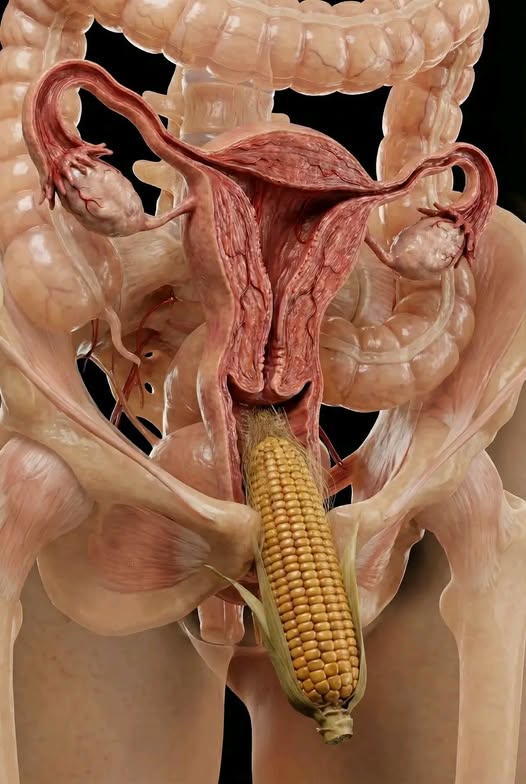
Medical professionals working in emergency medicine and gynecology occasionally encounter unusual and sometimes dangerous situations involving foreign objects inserted into the vagina. While the vagina is a flexible and self-cleaning organ, inserting non-medical objects can cause serious health risks. Doctors report that items such as small bottles, plastic objects, household tools, and even food items have been discovered during medical examinations. These objects can become stuck or cause injury to the vaginal walls, increasing the risk of infections, internal bleeding, and long-term reproductive complications. Healthcare providers emphasize that anything not designed for safe intimate use should never be inserted, as it may lead to medical emergencies that require urgent professional treatment.
One of the most common medical concerns related to foreign objects in the vagina is infection. When an object remains inside the body for an extended period, bacteria can multiply rapidly, potentially leading to serious conditions like Toxic Shock Syndrome or severe pelvic infections. Doctors have also reported cases where forgotten tampons or improperly used hygiene products caused discomfort, strong odors, and inflammation. In rare situations, sharp or rigid items can damage delicate tissue, increasing the risk of scarring or complications that affect reproductive health. Because of these risks, gynecologists recommend seeking medical help immediately if a foreign object cannot be safely removed.
Preventive education and awareness are essential for protecting reproductive health. Medical experts advise individuals to use only products specifically designed for intimate care and to follow hygiene guidelines recommended by healthcare professionals. Regular gynecological checkups also play an important role in detecting potential issues early and ensuring overall wellness. If someone experiences pain, unusual discharge, or suspects that an object may be stuck, it is important to consult a qualified healthcare provider promptly. Early medical care can prevent complications and ensure safe, effective treatment.
Disclaimer:
This article is for informational and educational purposes only and should not be considered professional medical advice. Always consult a qualified healthcare provider or licensed medical professional for diagnosis, treatment, or guidance regarding reproductive health concerns.